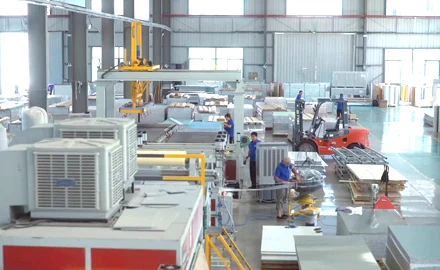
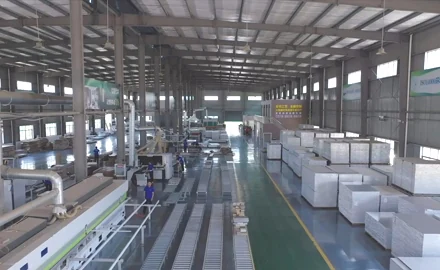
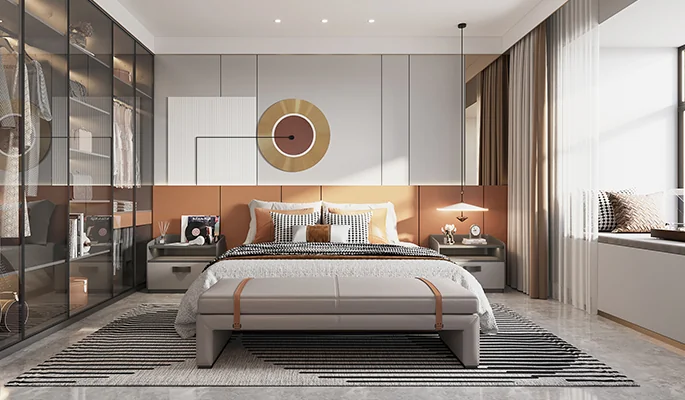
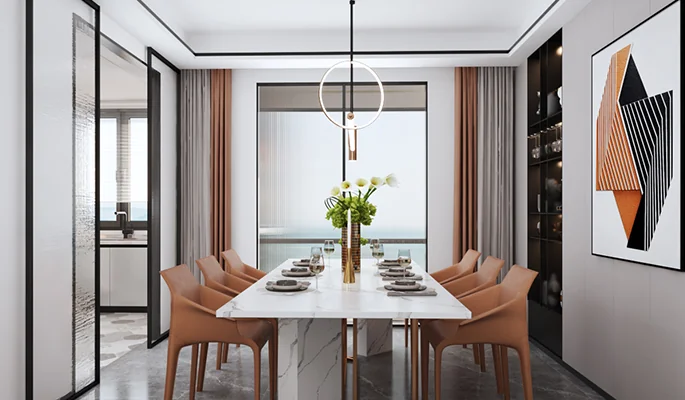
Manufacturing Center

A comprehensive manufacturing centre integrating research and development, production, display and experimentation

Equipment Center

A comprehensive manufacturing centre integrating research and development, production, display and experimentation

Panel lamination line based on the Yisen group facility in China
Yisen group facility in China

Material introduction

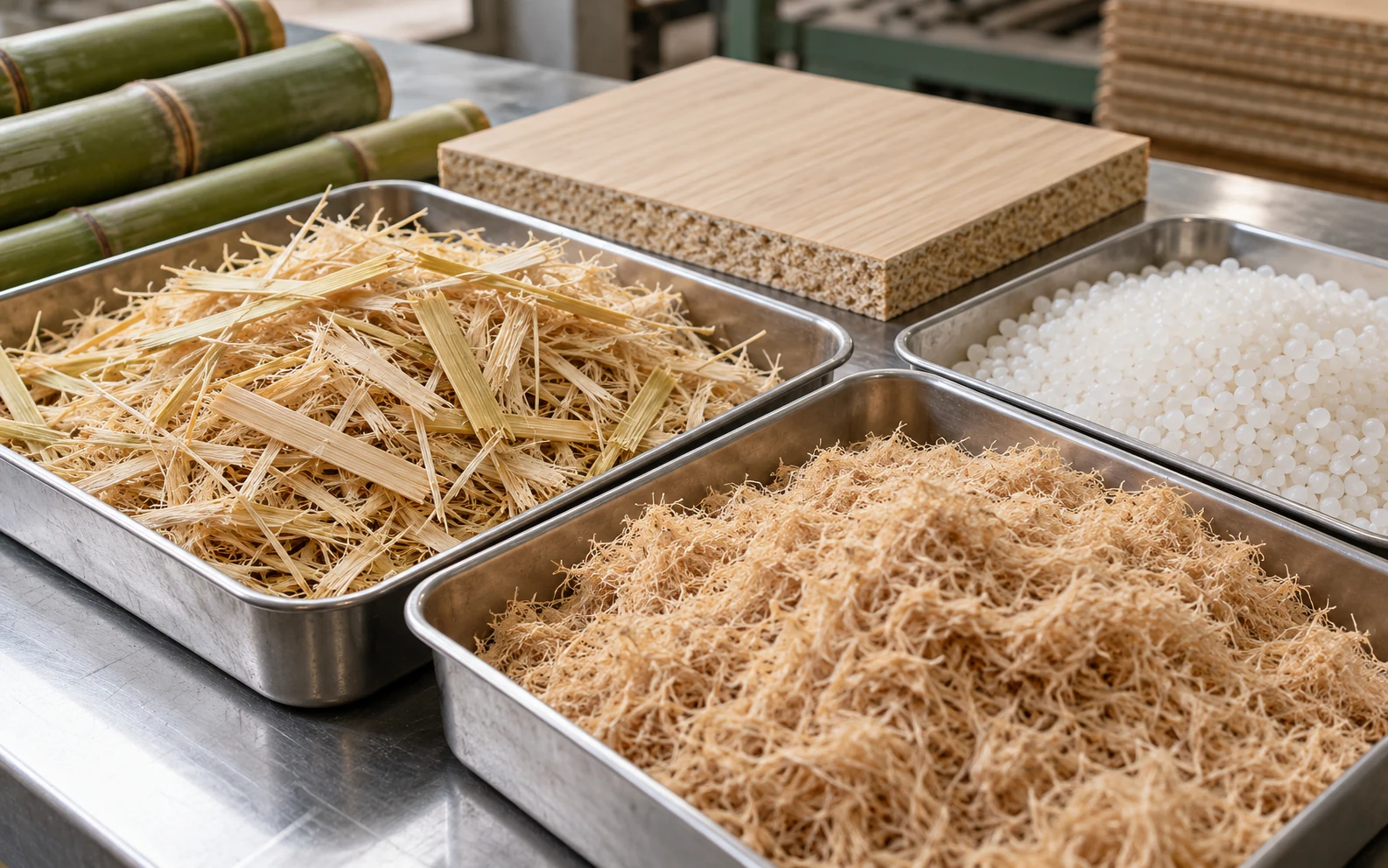
Bamboo and wood fibres prepared as panel materials

Bamboo and wood fibreboard is a new type of environmentally friendly panel made primarily from bamboo and wood fibres and processed using high temperature, high pressure and other methods. The raw materials mainly include natural plant fibres from bamboo and wood. After extraction, grinding and other preparation, these fibres are mixed with supporting materials such as waterproofing agents, fire retardants and formaldehyde-free adhesive to form the base material for bamboo and wood fibreboard.

Production process

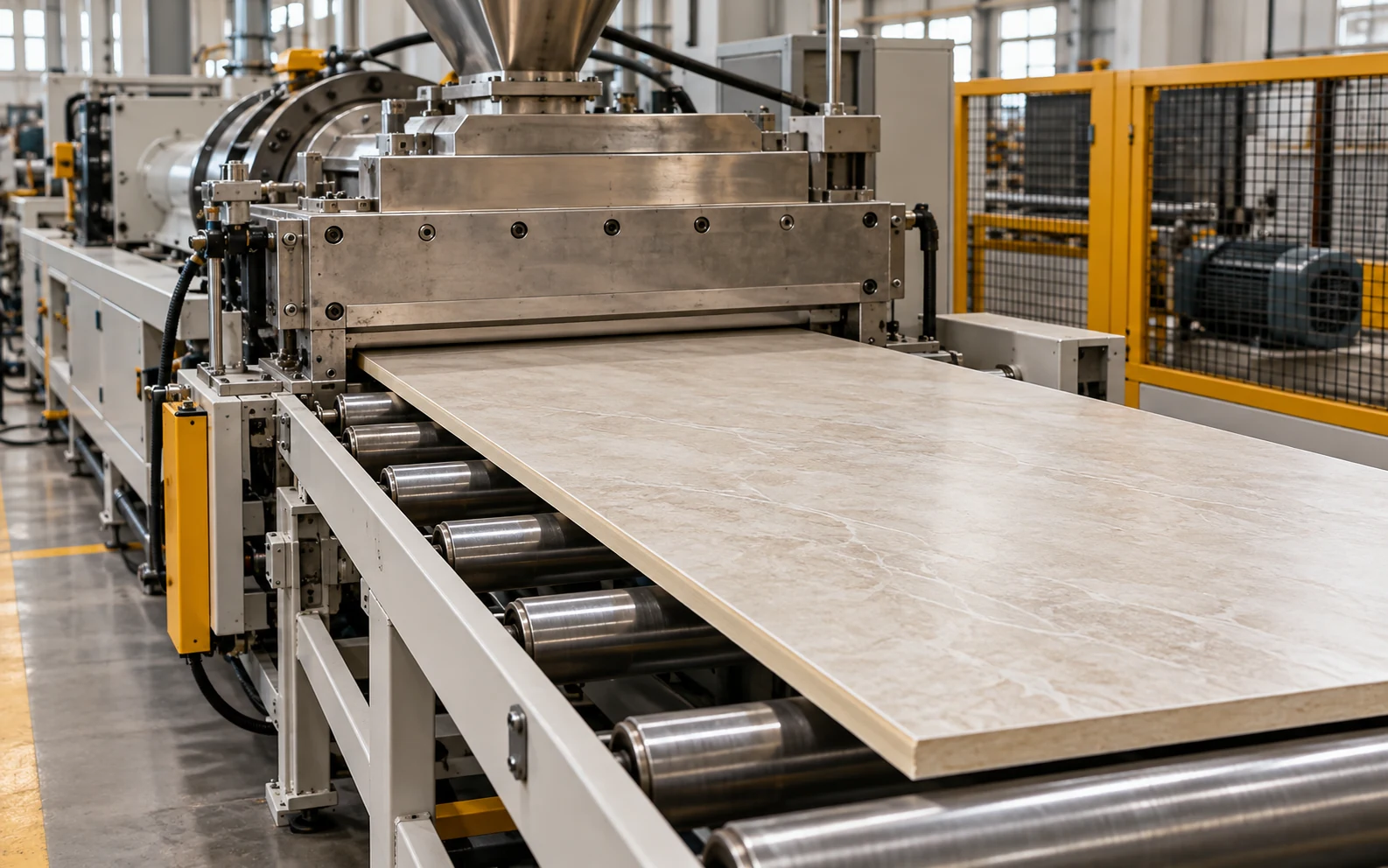
Panel forming through extrusion equipment

Mixing and extrusion

The treated bamboo and wood fibre raw materials and other additives are fed into an extruder in precise proportions. They are melted and mixed at high temperature, then extruded into shape. This allows efficient, continuous production.

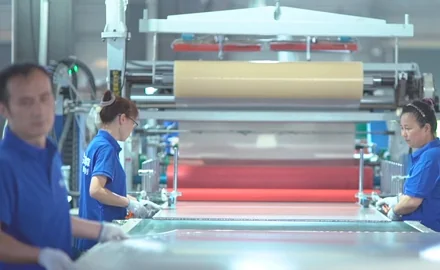
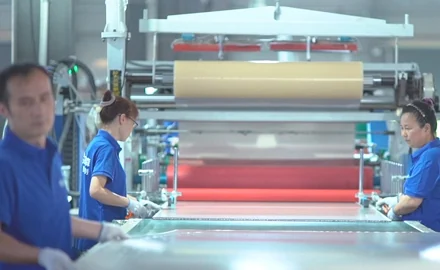
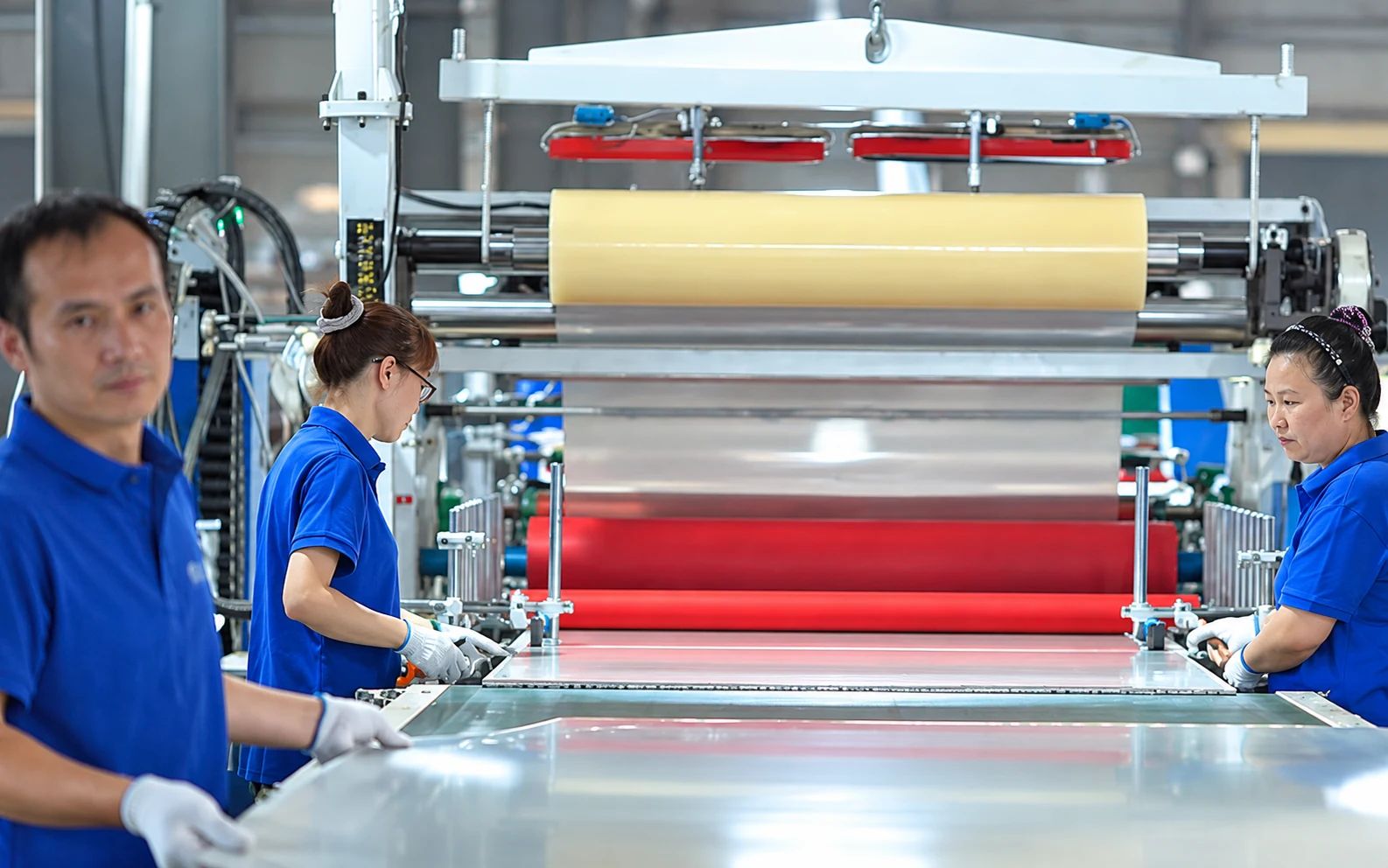
Operators and surface-bonding machinery at the group facility in China

Hot-press forming

PUR hot-melt adhesive is first melted, then CNC-controlled equipment guides the bonding of the panel and PVC film. The panel is cooled and bonded, while a reaction with moisture in the air extends the polymer chains, improving bond strength and resistance to heat and low temperatures. The finished product has a flat surface and an attractive texture.

Performance characteristics

Excellent environmental performance

Made from natural bamboo and wood fibres, the panel contains no harmful substances, creates no pollution during production, has no unpleasant odour and is harmless to human health. It meets green environmental requirements and is particularly suitable for home interiors and public places with high environmental requirements.

Good physical properties

The panel has high bending, compressive and tensile strength, a stable internal structure, and resistance to deformation and cracking. Although it retains a certain weight, it is relatively light compared with some traditional panels while maintaining strength, making transport and installation easier.

Outstanding moisture and water resistance

Special moisture-resistant agents are added during production to give the panel good resistance to moisture. Water vapour and dampness have difficulty penetrating it, helping prevent deformation, mould and other problems caused by humidity. It is suitable for damp areas such as kitchens and basements.

Reliable fire-retardant performance

Special treatment gives the panel a degree of self-extinguishing capability when exposed to a fire source, helping slow the spread of fire. It produces no toxic gases during combustion and is less harmful to people.

Effective sound and heat insulation

The panel can effectively block noise transmission to create a quiet, comfortable indoor environment. Its thermal insulation can also reduce the temperature difference between indoors and outdoors, lowering the energy consumption of air-conditioning, heating and other equipment.

Attractive and varied appearance

Surface treatments such as laminating, printing and embossing give the panel the texture and colour of natural bamboo and wood. Its fine texture, varied product types and wide choice of colours can create natural, warm, elegant and other decorative styles to meet individual aesthetic preferences.

The complete installation process

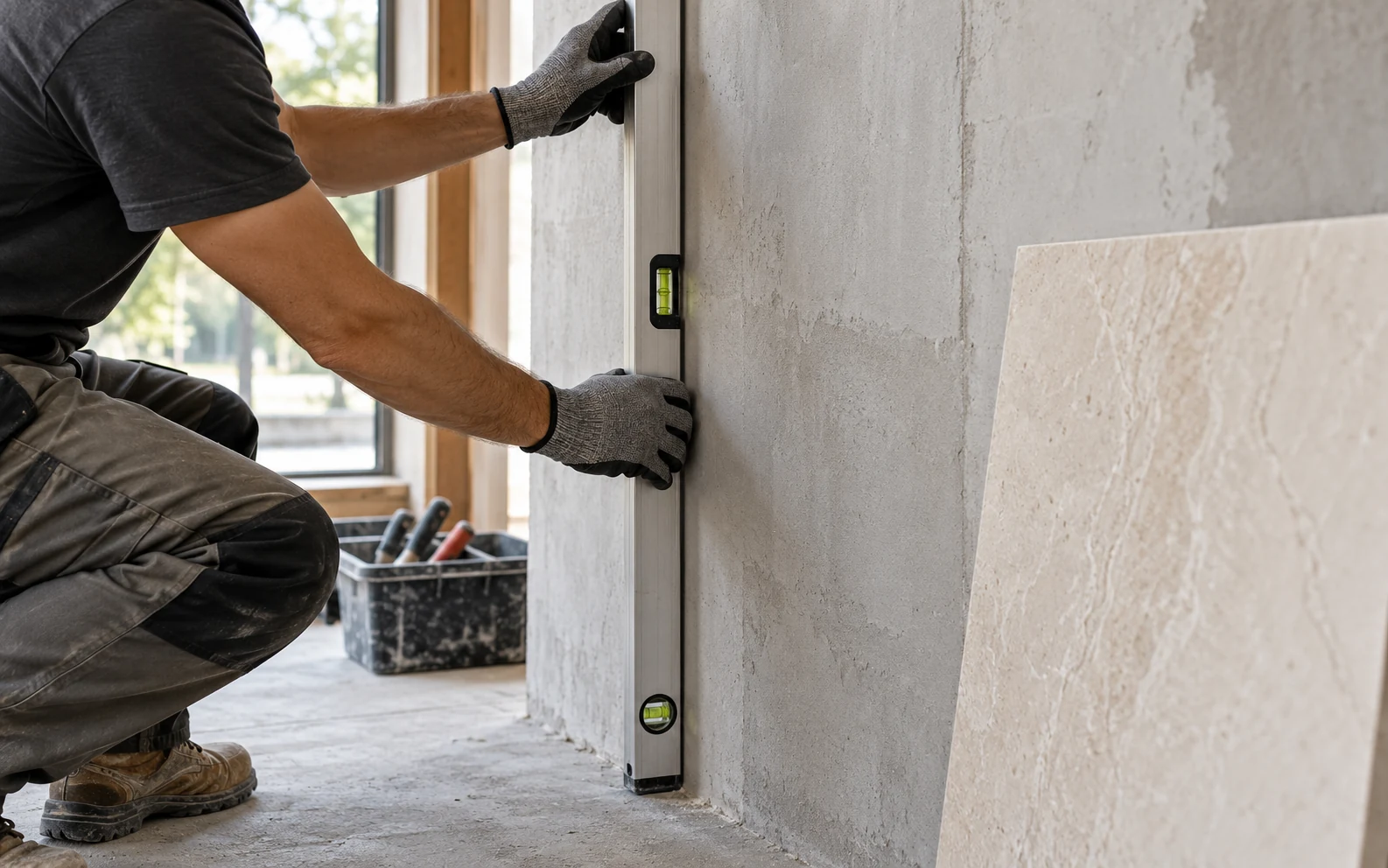
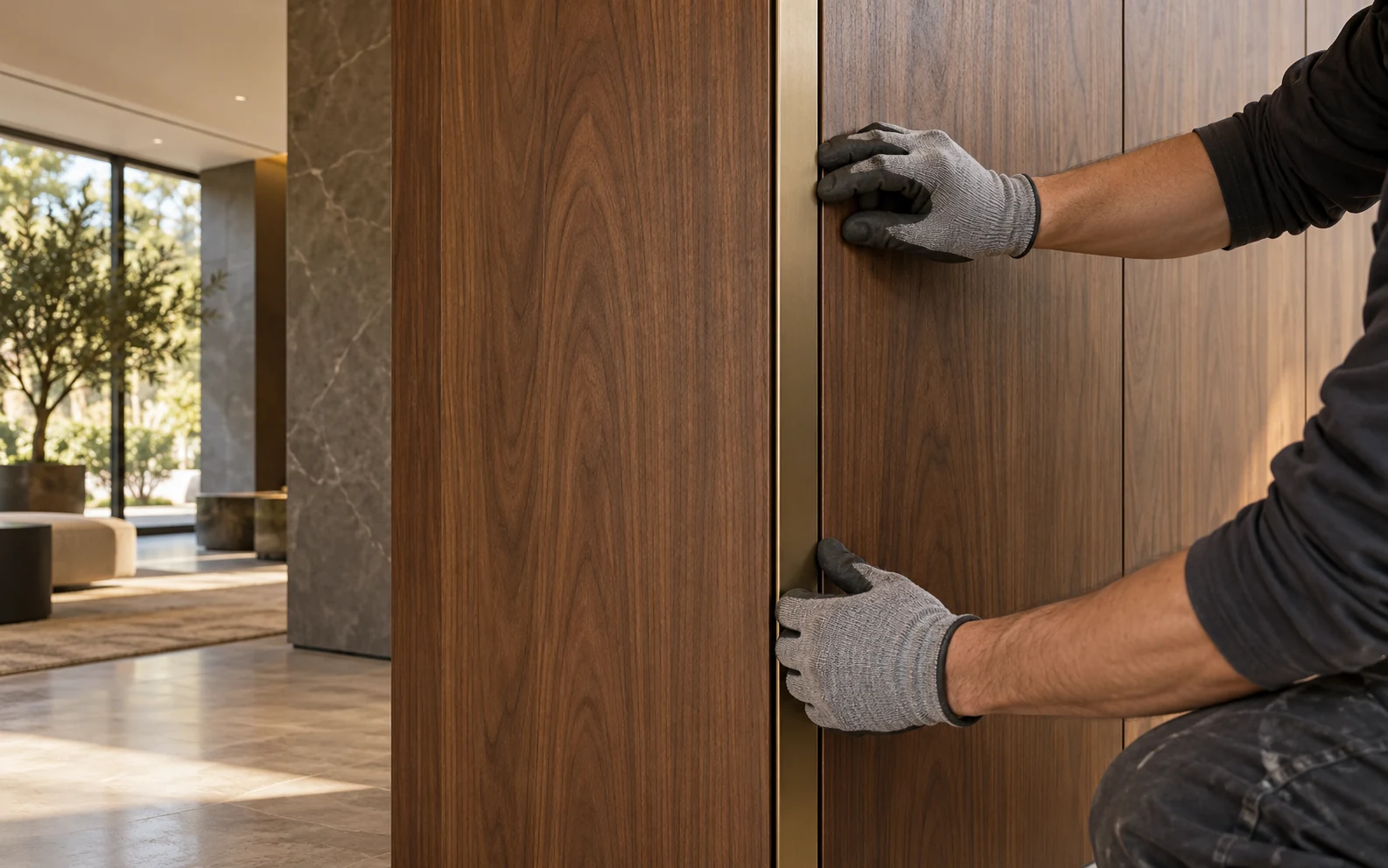
Measurement and substrate-level checks before fitting wall panelsAlignment of interior panel joints and edge trims
  1. Construction preparation

    1. Material inspection: Carefully check that the bamboo and wood fibreboard specifications, models and colours meet the requirements. Inspect the panels for damage, deformation, colour differences and other problems. Prepare supporting materials such as battens, clips, adhesive and nails.

    2. Tool preparation: Prepare the tools needed for construction, such as a cutting machine, electric saw, drill, screwdriver, tape measure, spirit level, chalk line and hammer.

    3. Site cleaning: Clean the construction site and ensure the work area is tidy and free of debris and obstructions, creating suitable conditions for installation.

  2. Substrate preparation

    1. Wall preparation: If installing bamboo and wood fibreboard on a wall, level the wall first. Check for uneven areas and cracks, and repair and level them with putty or cement mortar. Ensure the wall's flatness deviation is within the specified range; the usual requirement is no more than 3 mm.

    2. Floor preparation: If installing bamboo and wood fibreboard on a floor, remove dust, oil and other debris and ensure the floor is clean and dry. Grind or level uneven areas so that the panel surface is flat after installation.

  3. Batten installation

    1. Marking the positions: Based on the panel dimensions and installation requirements, use a chalk line to mark the batten positions on the substrate. Batten spacing should be determined by the panel length and strength and is usually 300–600 mm.

    2. Fixing the battens: Fix the battens to the substrate with nails or screws along the marked lines. Light-gauge steel framing requires dedicated connectors. Wooden battens must be dry and free from decay. Check and adjust vertical and horizontal alignment with a spirit level during installation.
  4. Panel installation

    1. Cutting the panels: Use a cutting machine or electric saw to cut the bamboo and wood fibreboard to the required length and width according to the installation dimensions and site conditions. Keep cuts flat and square to avoid burrs and angled edges.

    2. Installing the first panel: Align one end of the first cut panel with the battens and secure it using clips or nails. Ensure the panel sits tightly against the battens and that joints are even and consistent. If using adhesive, spread it evenly on the panel's back, quickly press the panel onto the battens and apply pressure to secure the bond.

    3. Installing the remaining panels: Install the remaining bamboo and wood fibreboards in sequence, checking that each joint is tight and flat. Gently tap the panel with a timber block or rubber mallet to improve contact with the battens, while adjusting the joint width for a consistent appearance. At curved areas, bend the panel as appropriate for its flexibility, taking care not to over-bend and damage it.

    4. Internal and external corners: Treat internal and external corners separately. At external corners, secure decorative corner trim to the panel edge. At internal corners, cut the panels at 45 degrees to form the joint or use internal corner trim, keeping the corner flat and neat.

  5. Finishing

    1. Edge finishing: After installing the panels, finish the edges with dedicated trim such as aluminium-alloy or PVC profiles. Fix the trim to the panel edges to cover cuts and gaps and provide a neat appearance.

    2. Sockets and switches: Where sockets and switches occur, cut openings in the panels according to their positions and dimensions. Measure accurately so sockets and switches can be installed and used correctly. After installation, use decorative covers to conceal surrounding gaps and coordinate them with the overall interior.

  6. Inspection and cleaning

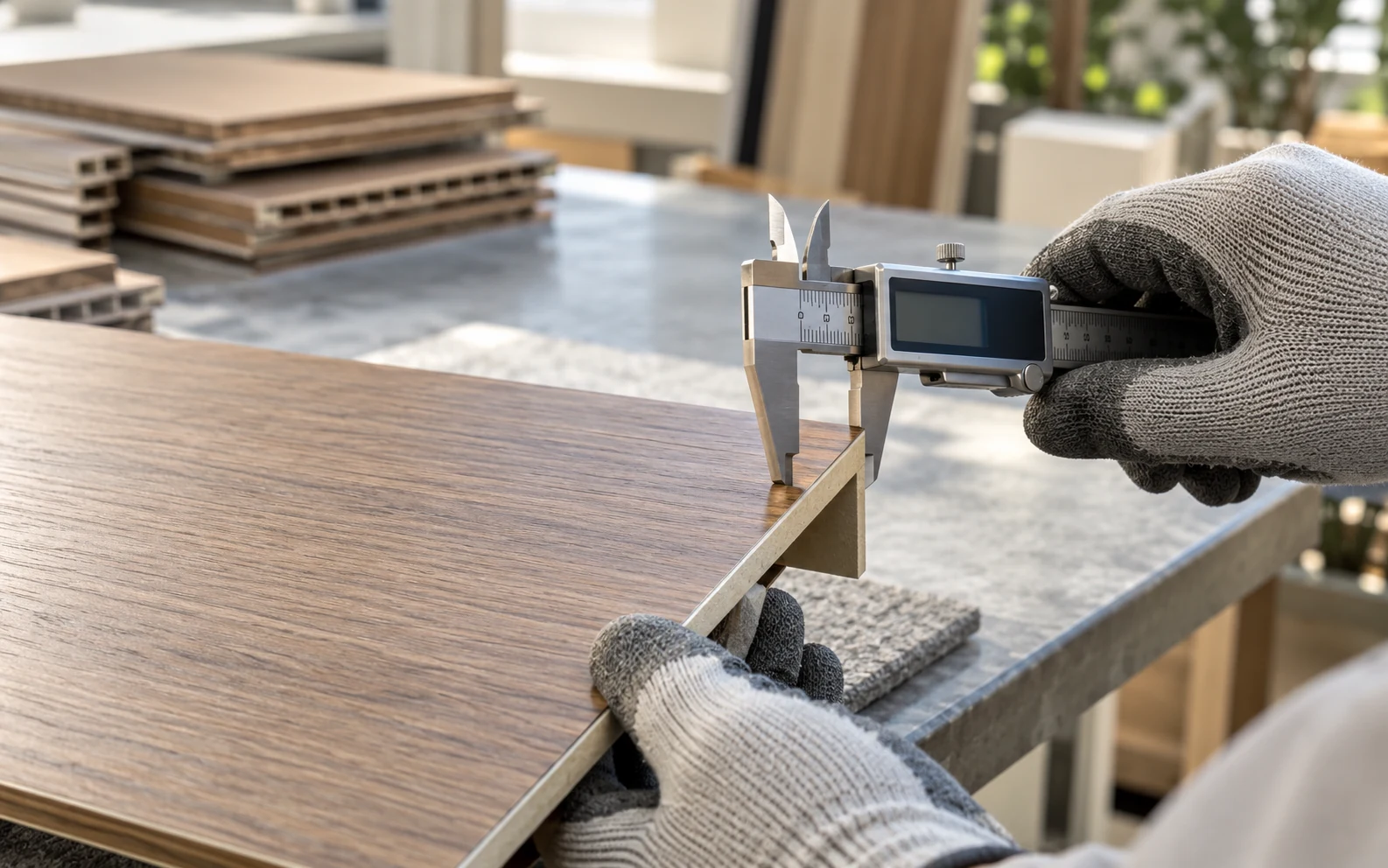
    1. Quality inspection: After construction, inspect the installation quality comprehensively. Check panel flatness, vertical alignment and joint width against the requirements. Look for loose panels, deformation, cracks and other problems, and adjust or repair any issues promptly.

    2. Site cleaning: Remove debris, dust and rubbish from the construction site and put tools away. Wipe the panel surfaces with a clean, damp cloth to remove stains and dust, leaving them clean and tidy.

Dimension and surface inspection of a panel sample

Quality management system

Product quality objectives

Ensure that building material products comply with relevant national and industry standards. Pursue consistent product quality and reduce variations in quality.

Customer satisfaction objectives

Improve product quality, delivery times and after-sales service comprehensively to increase customer satisfaction. Establish a rapid-response mechanism to ensure customers receive help resolving problems within 24–48 hours.

Equipment Center

Yisen group facility in China

Operators and roller equipment on a panel surface line at the group's facility in China

Panel surface roller line

Roller equipment and panel tables at the group's facility in China.

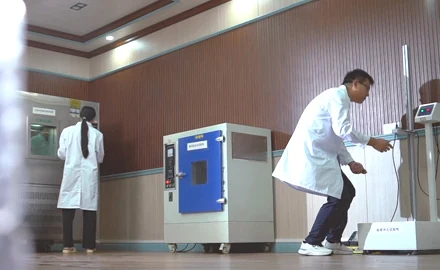
Two staff members using testing equipment in the group's laboratory in China

Testing room

Inspection equipment in the group's laboratory in China.

Panel production workshop with work tables and a forklift in China

Panel handling area

Work tables, panels, and handling equipment in the Chinese production workshop.

Production hall with machinery lines and stacked panel materials in China

Production and material storage

Production machinery and stacked materials share a hall at the group's facility in China.

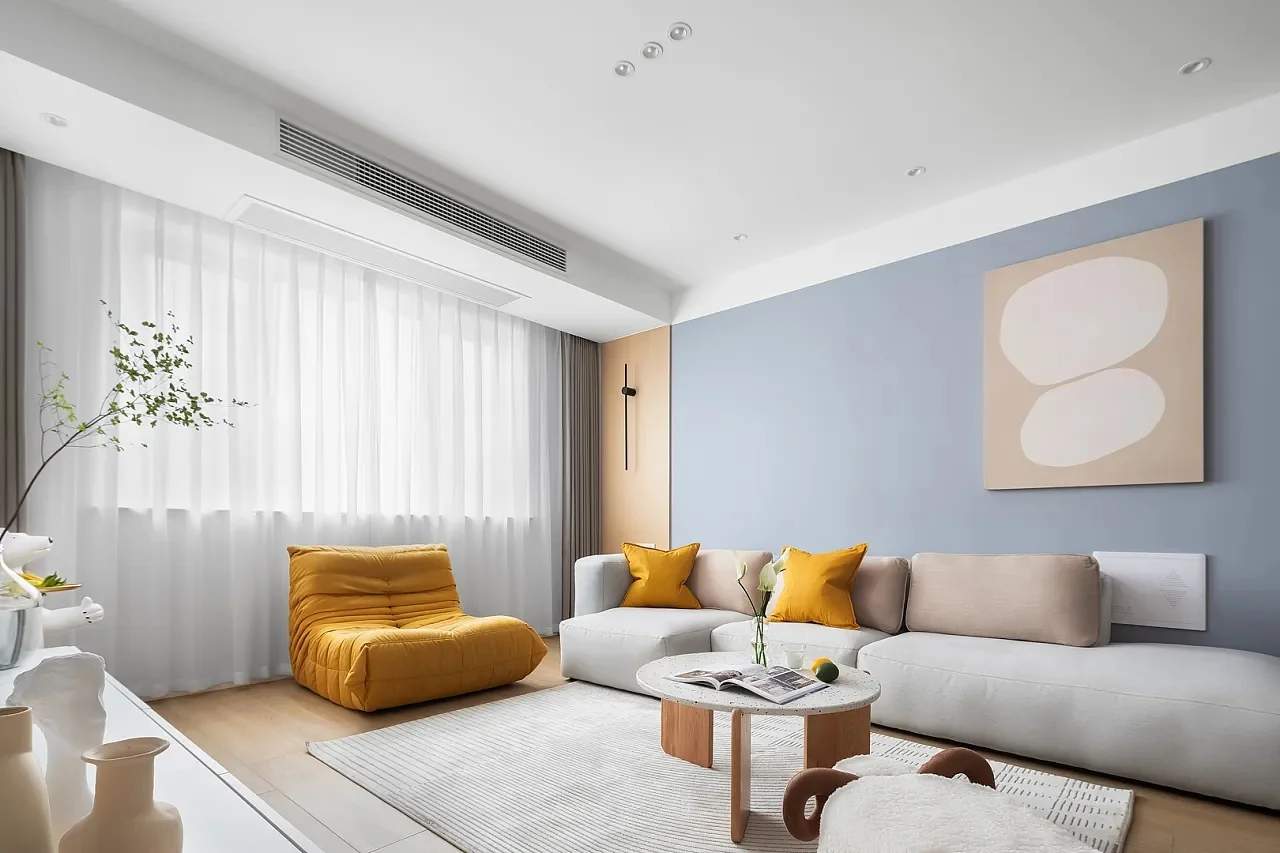
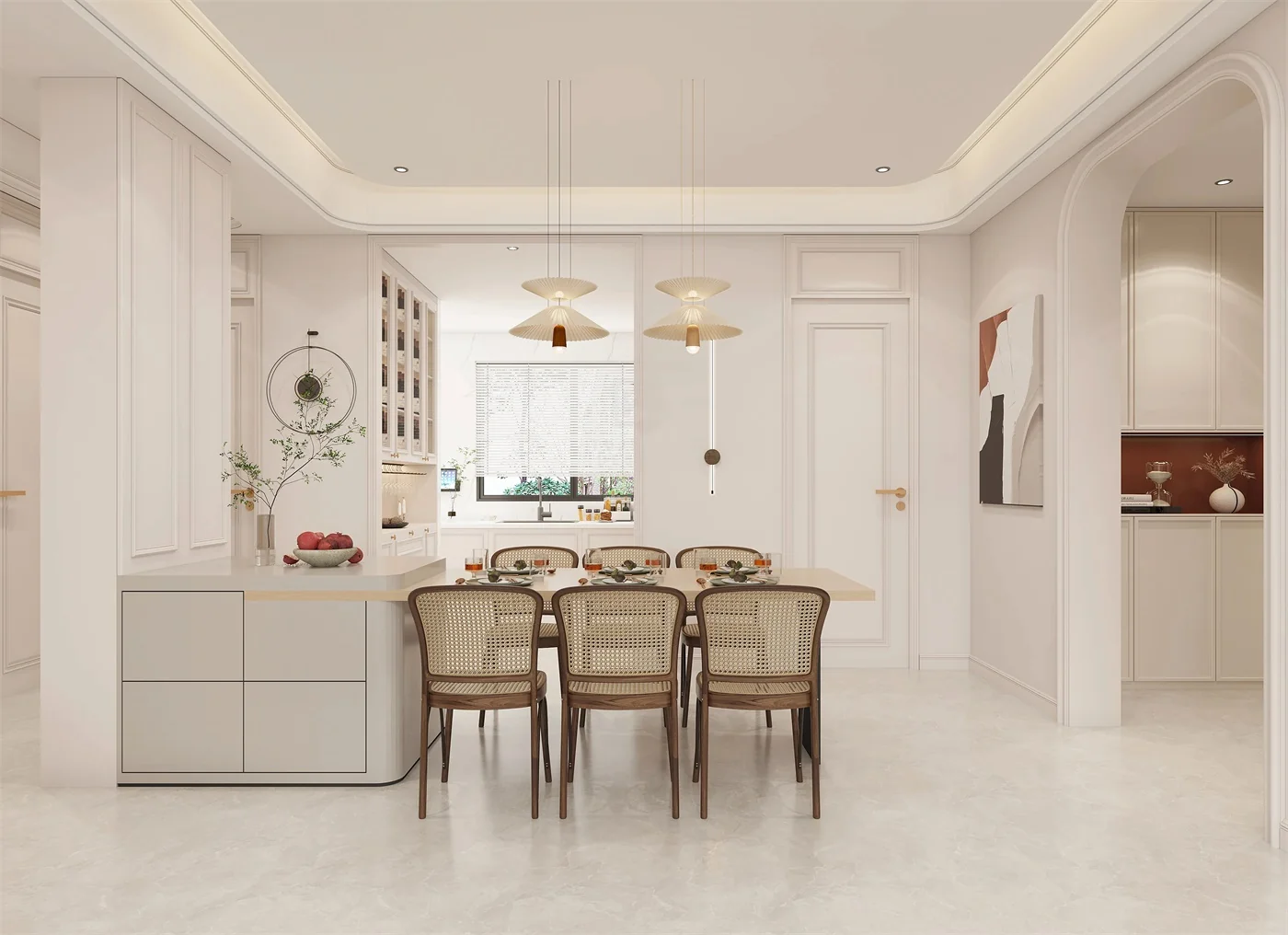
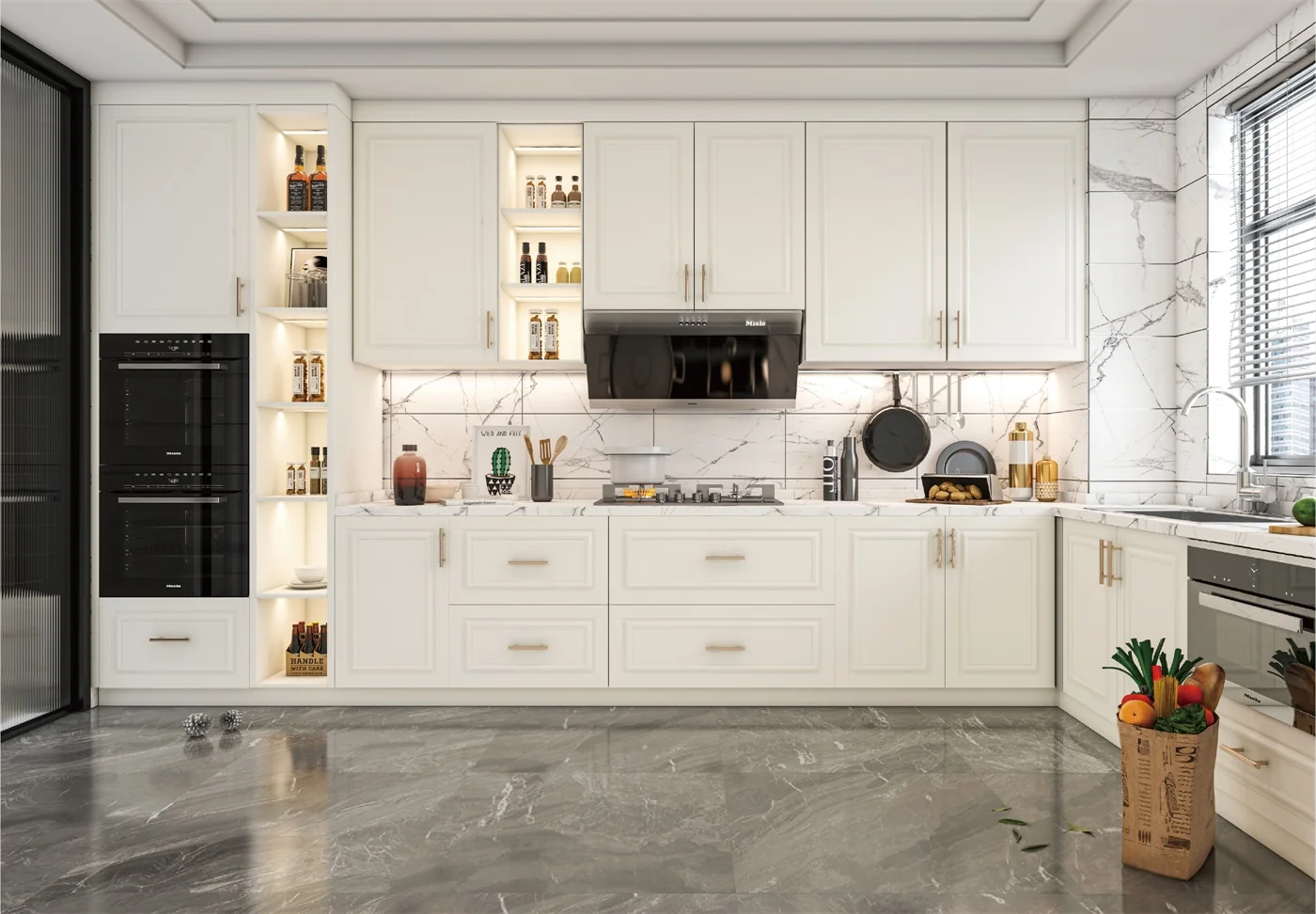
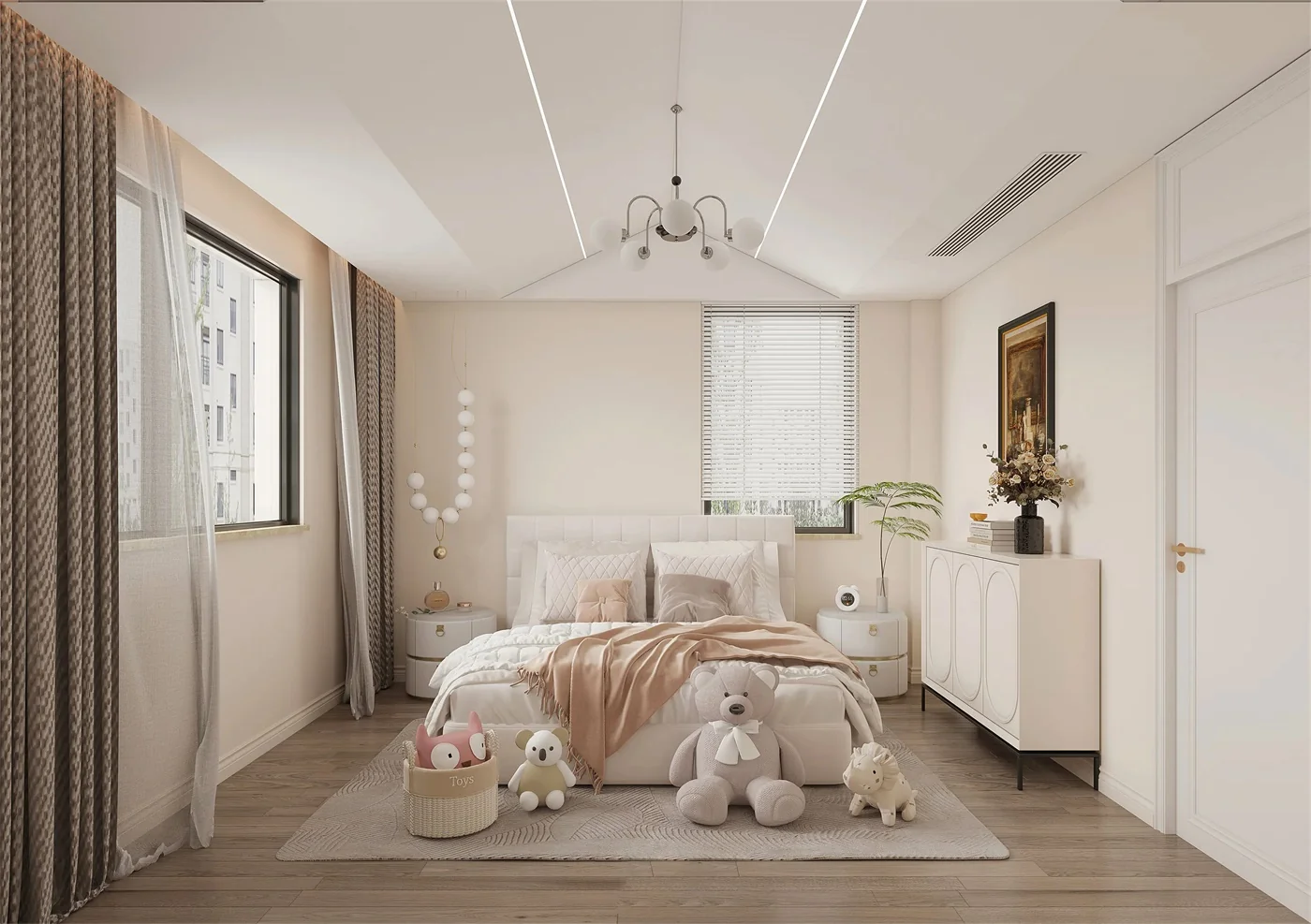
Application gallery

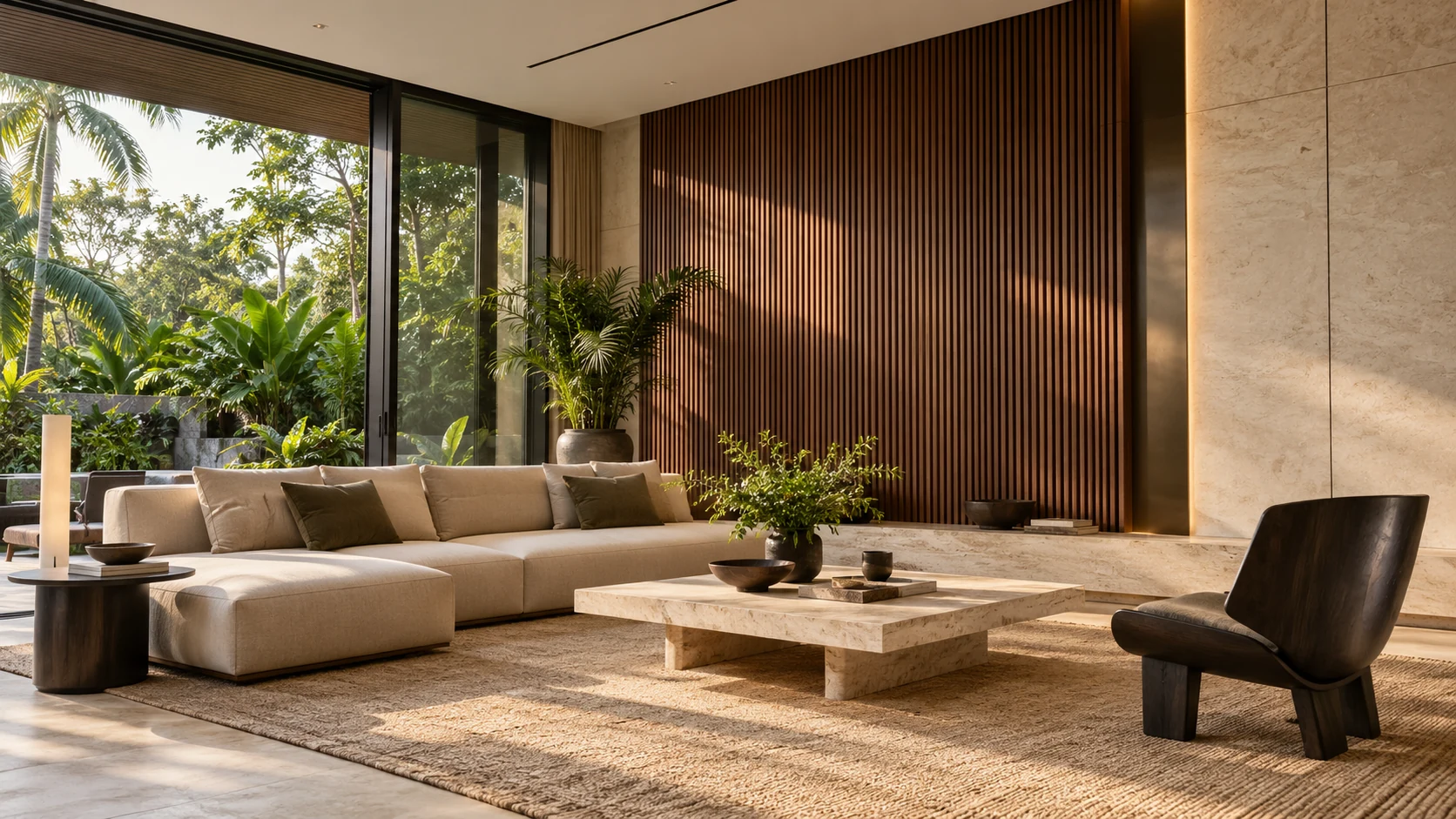
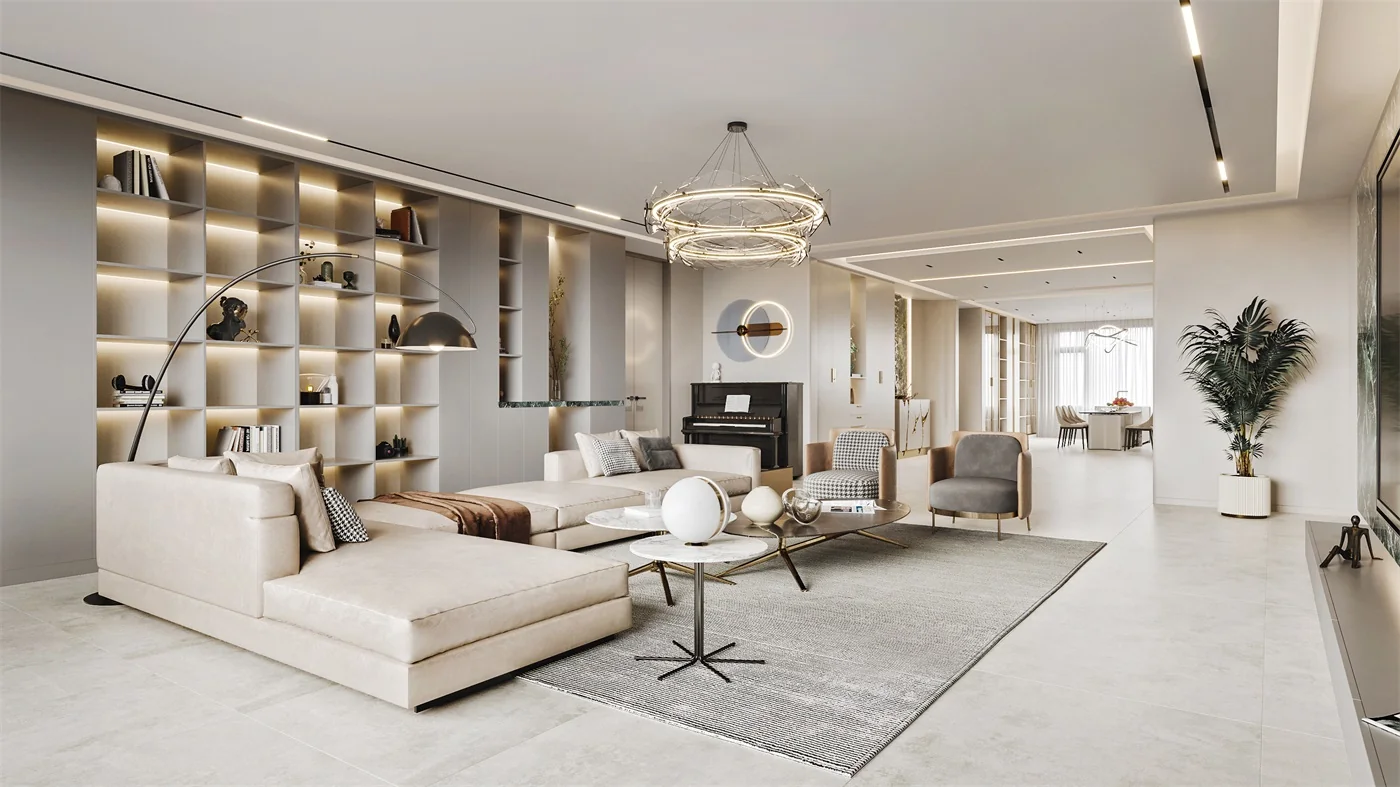
Modern interior with pale stone wall panels and timber details

Contemporary style

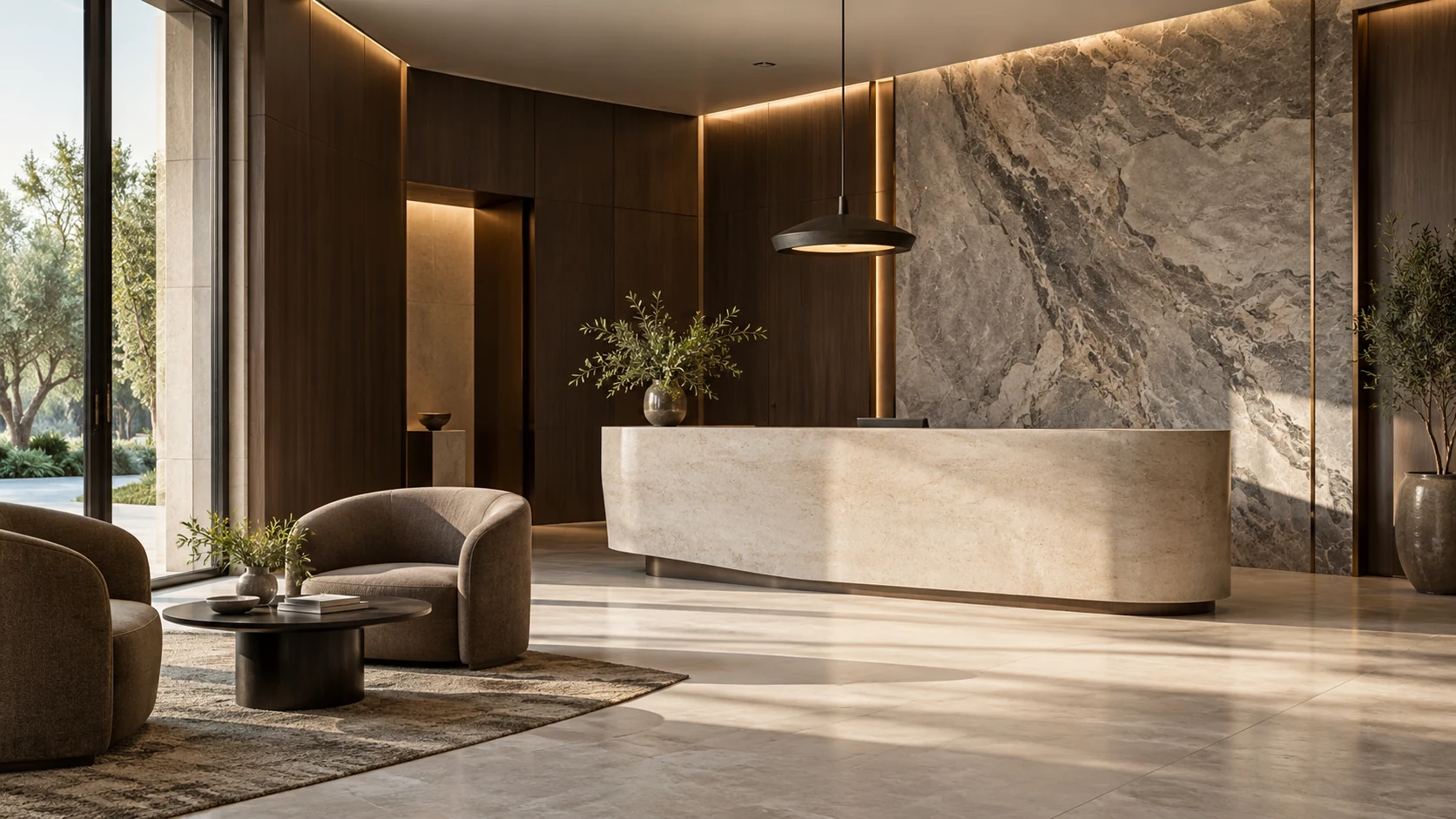
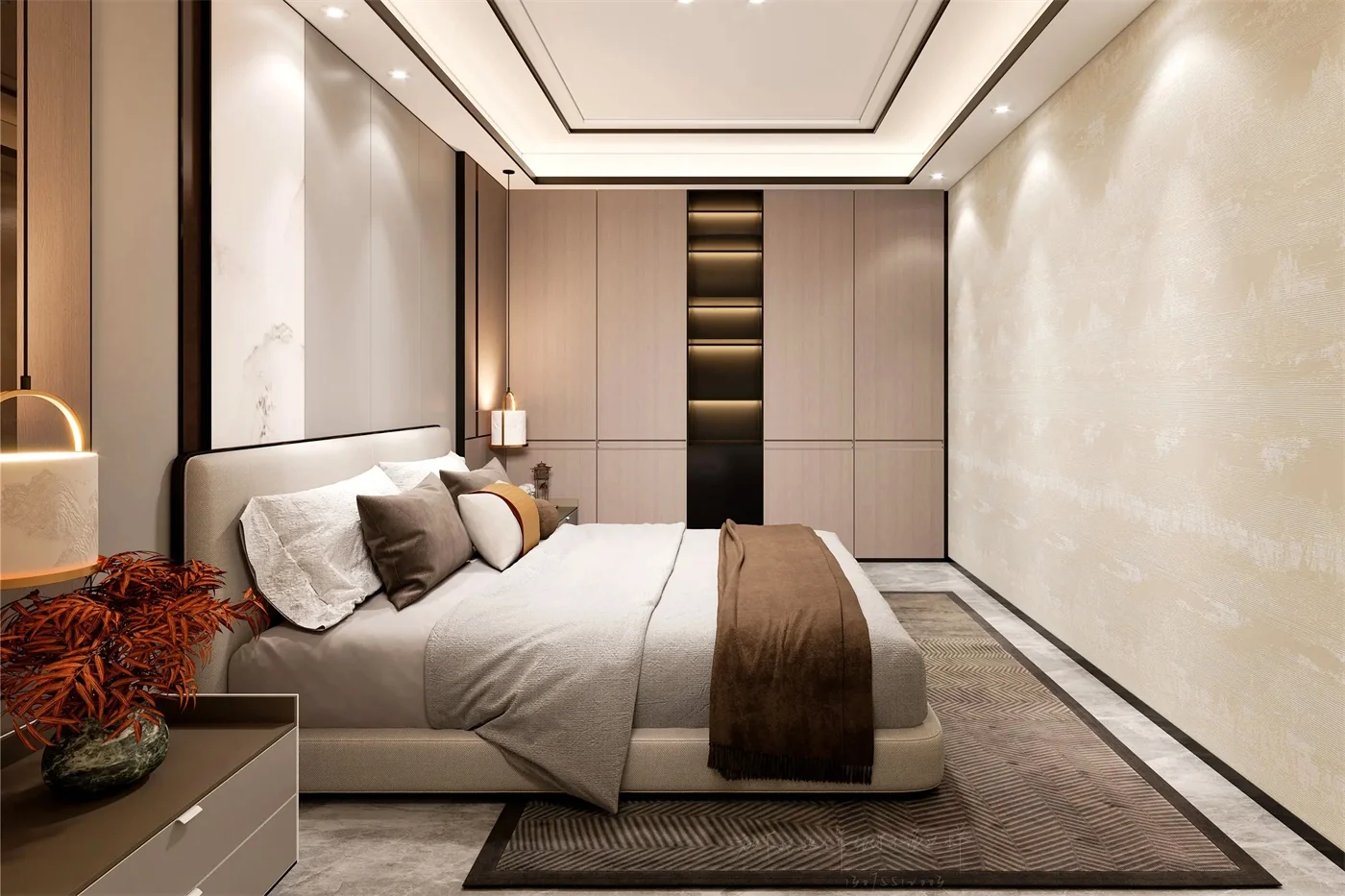
Refined interior with timber wall panels and metal details

Refined luxury

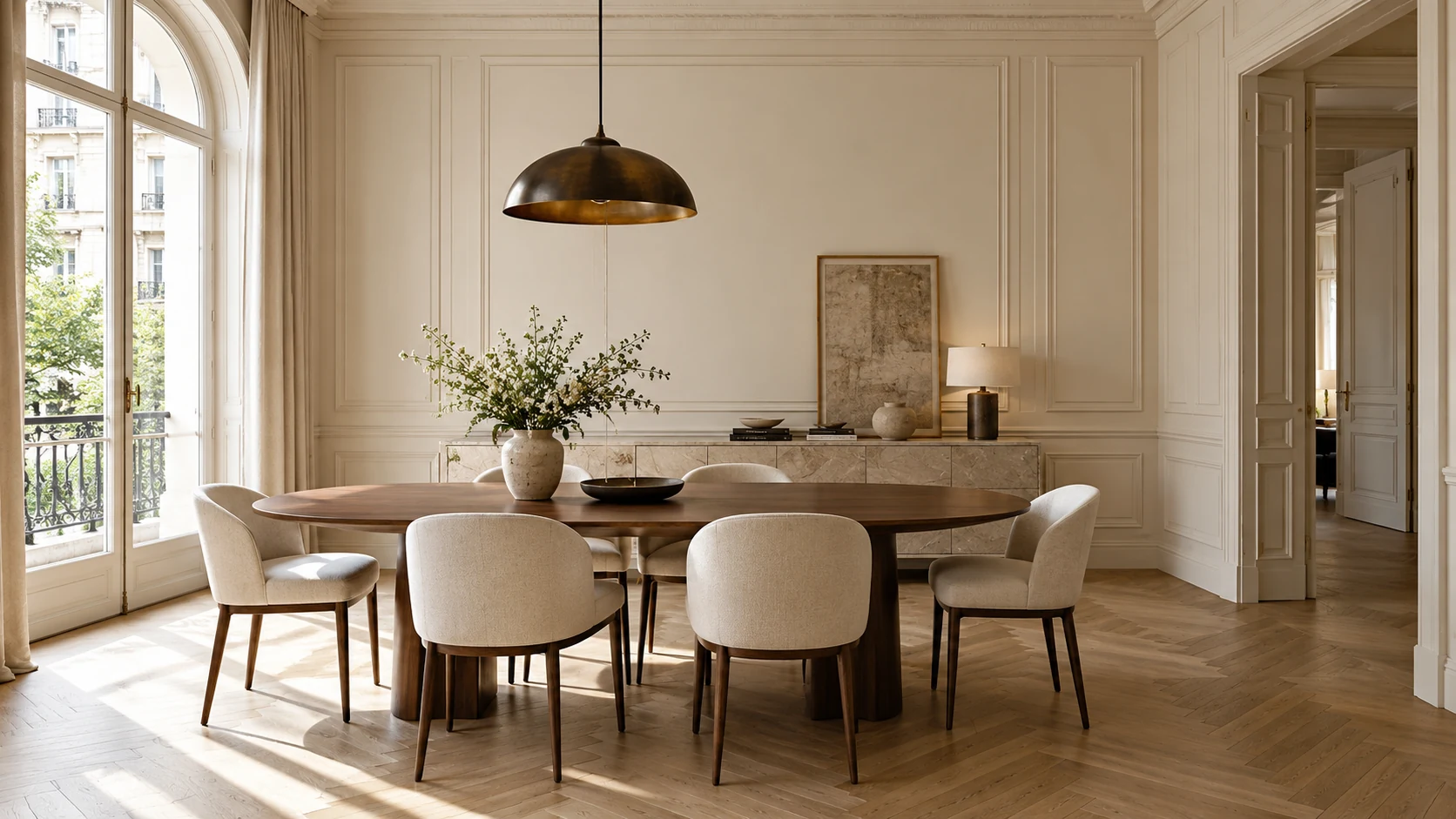
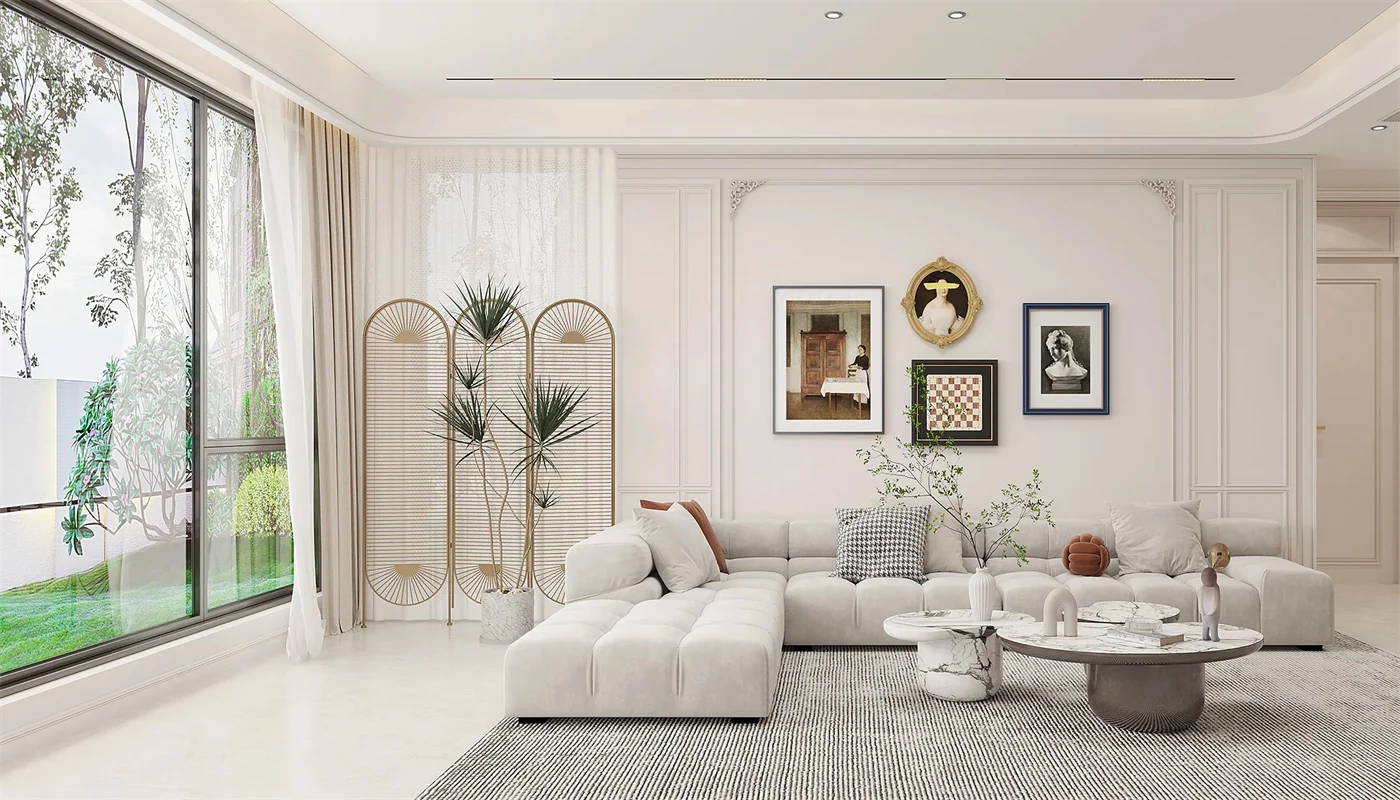
French-style interior with decorative wall mouldings

Romantic French

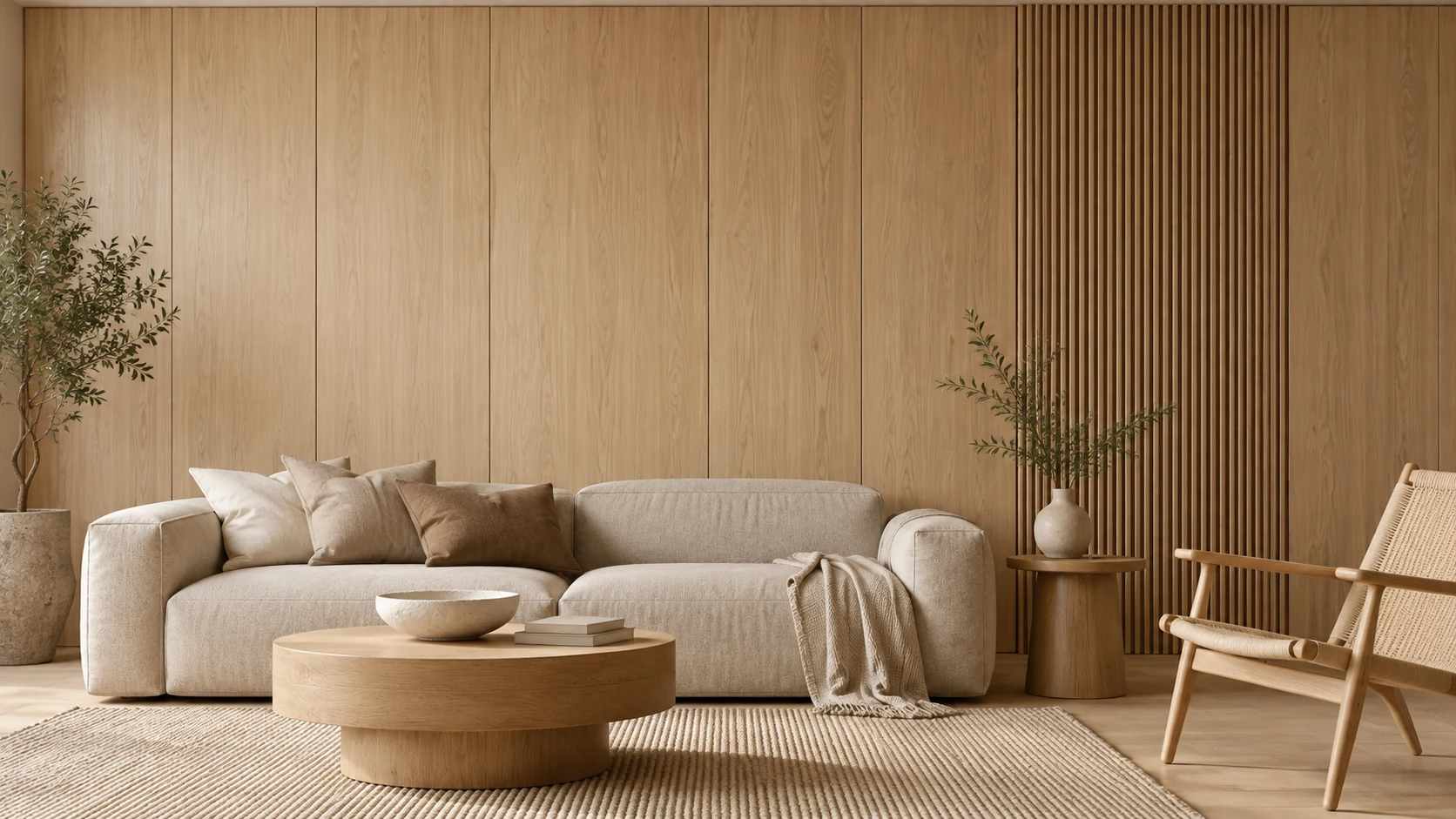
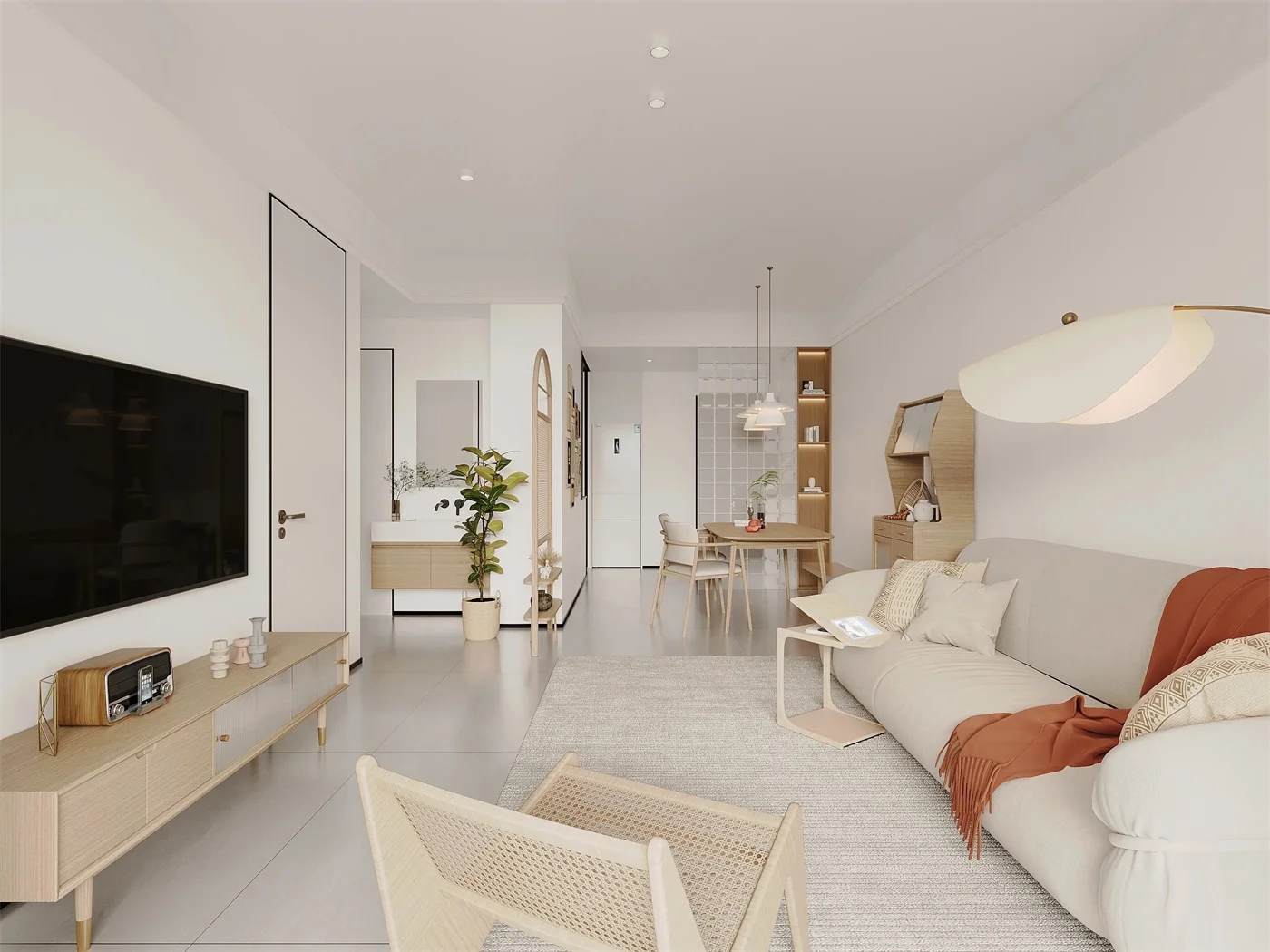
Nordic interior with light timber wall panels

Minimalist Nordic

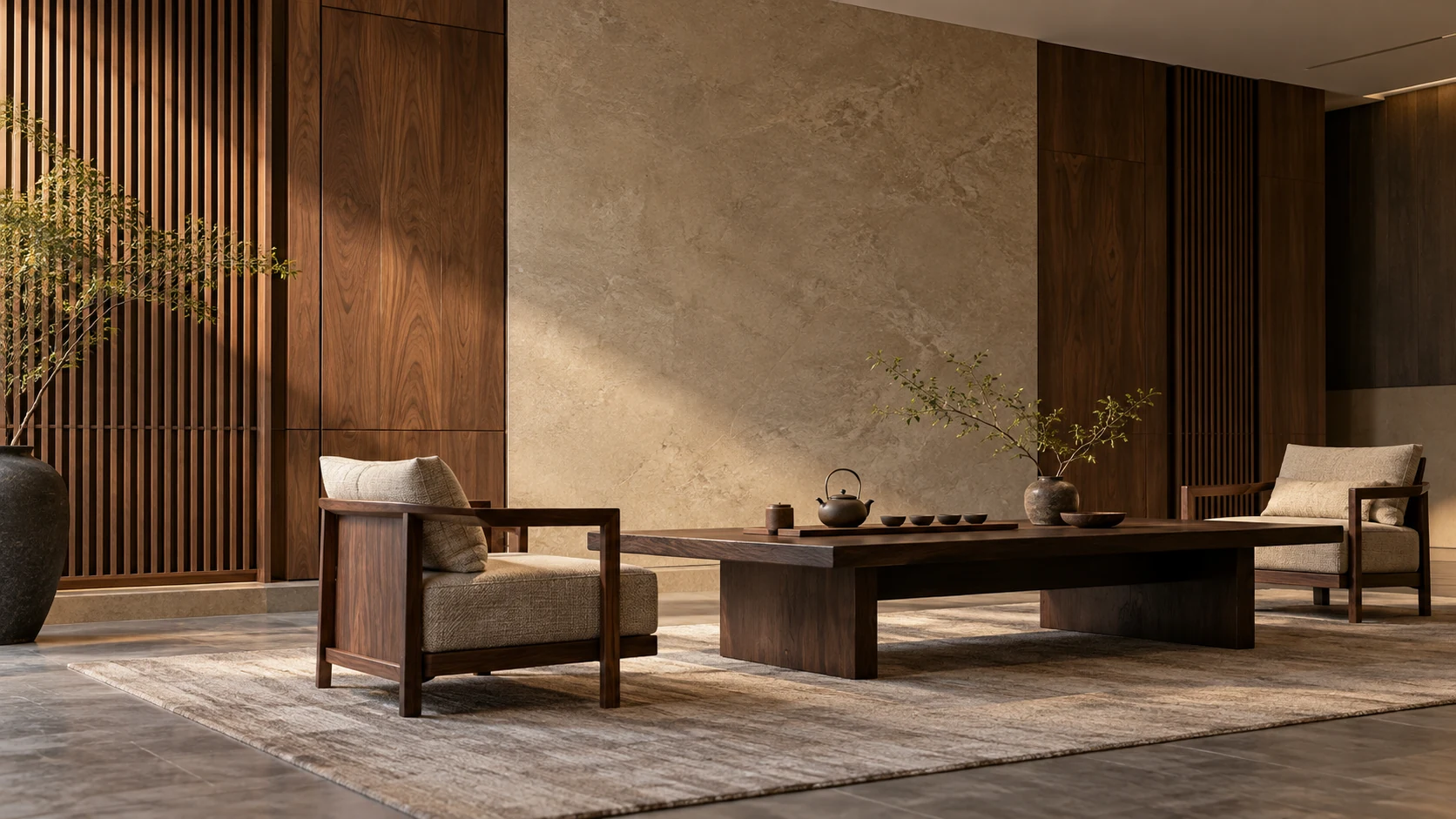
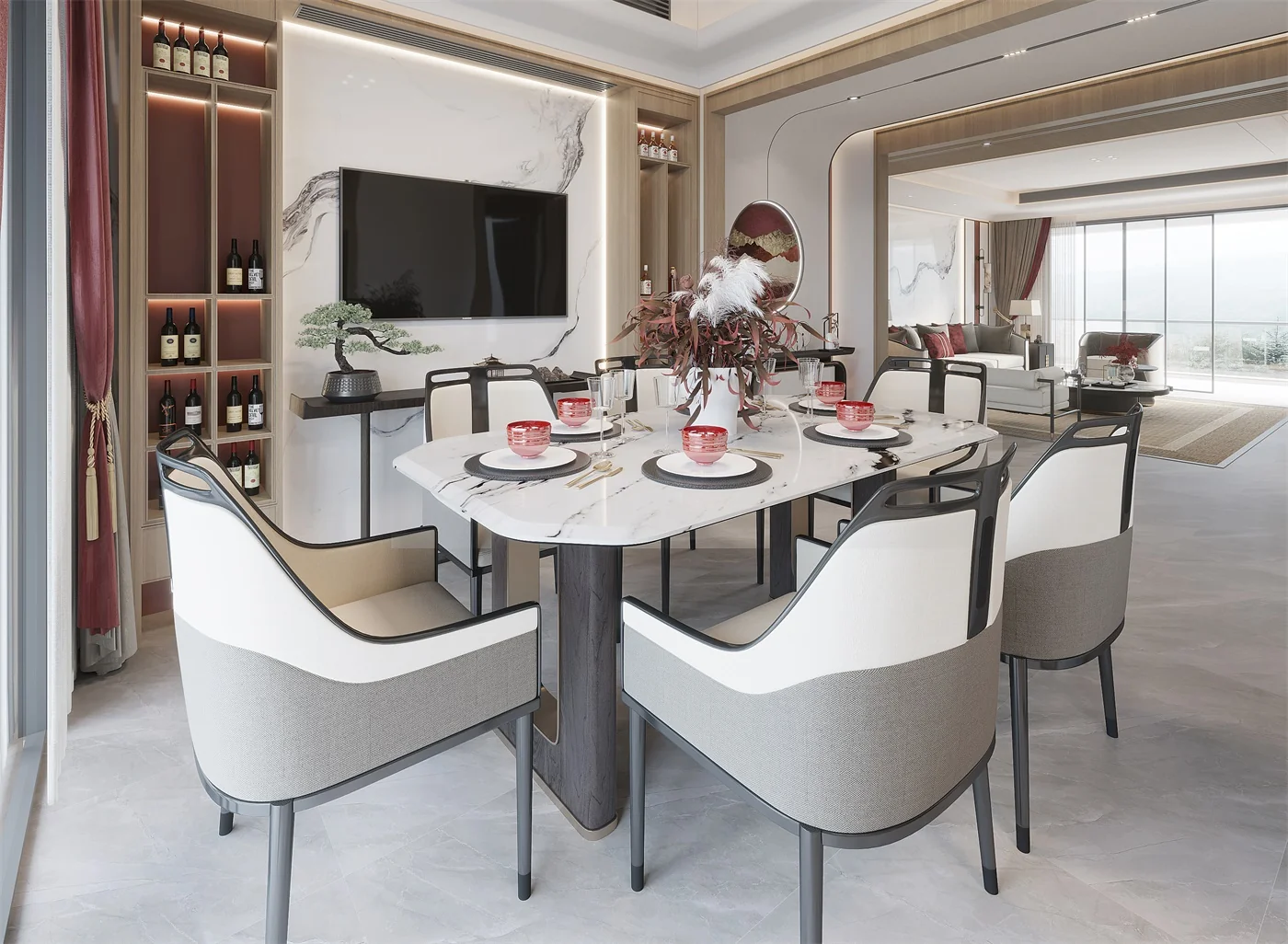
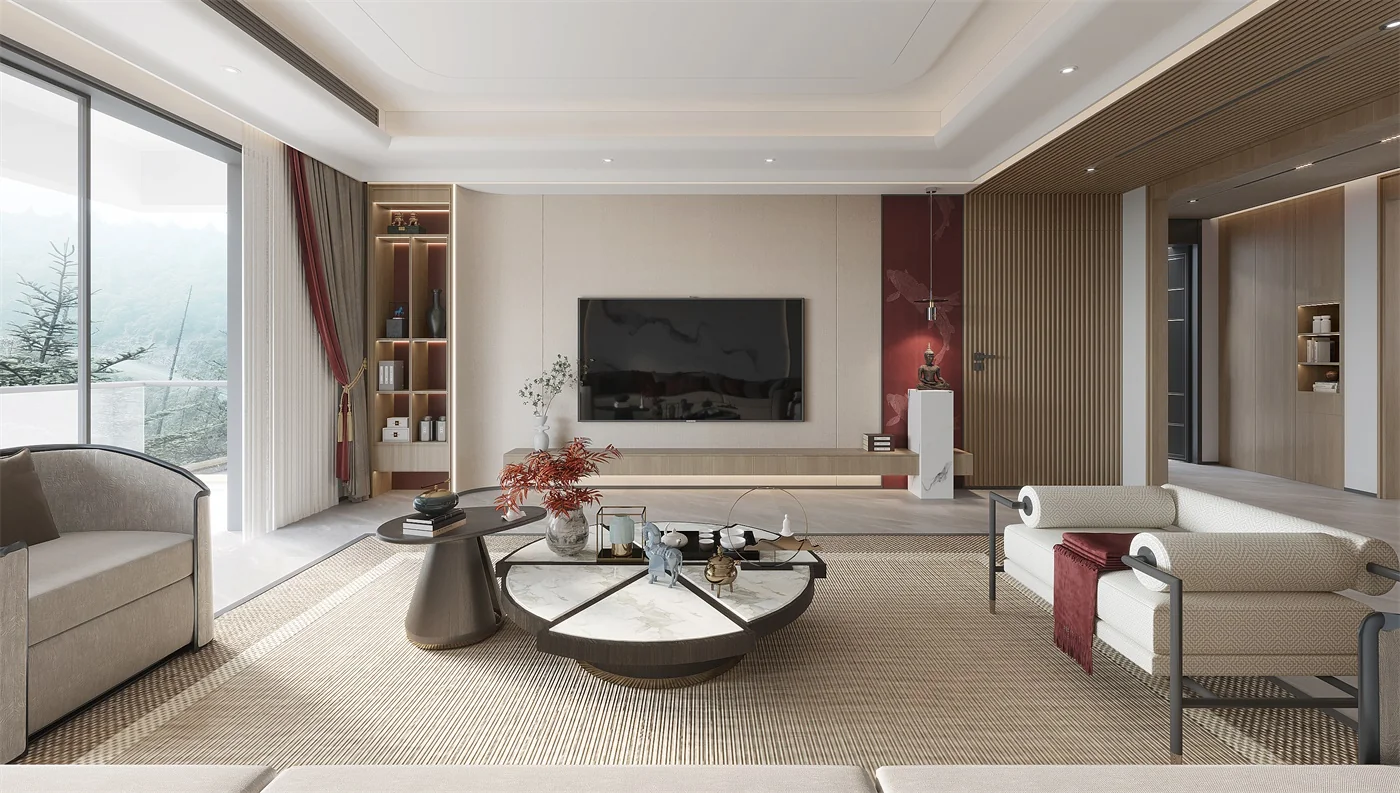
Contemporary Chinese interior with timber grilles and stone surfaces

Elegant contemporary Chinese

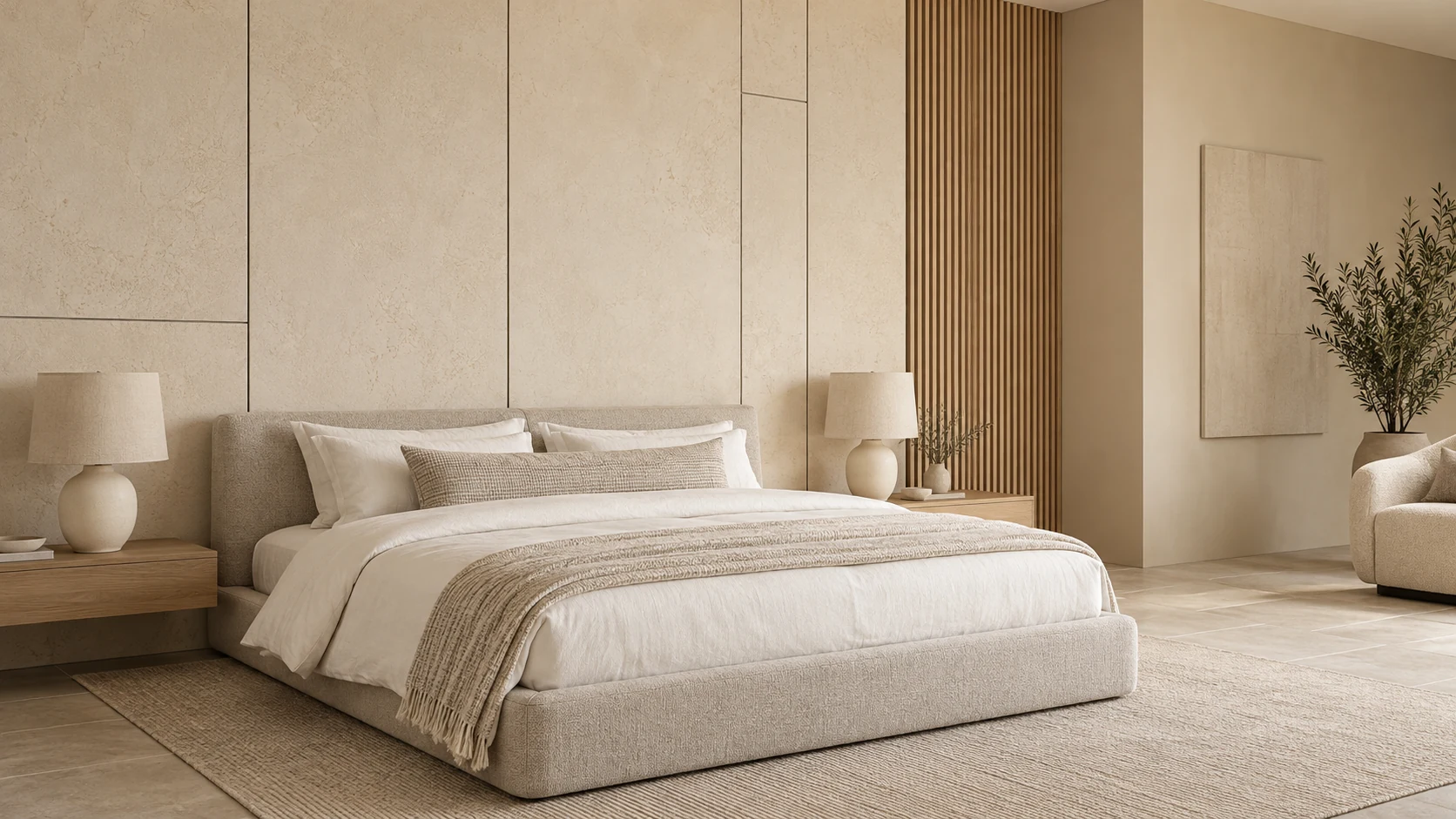
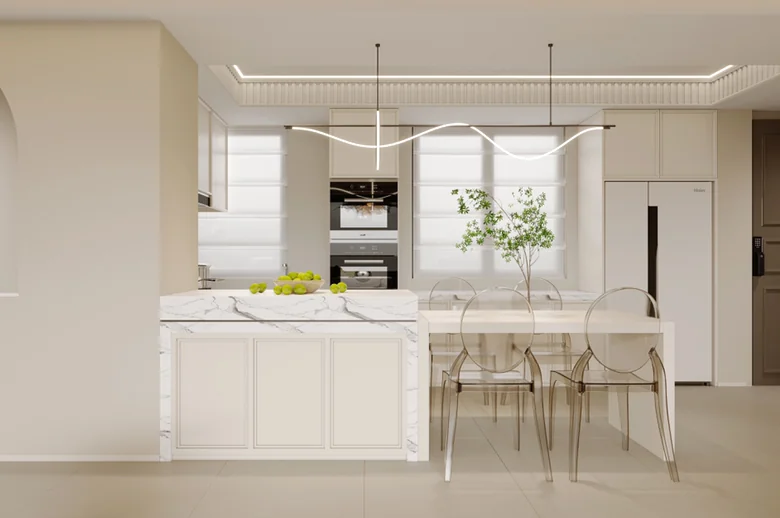
Cream interior with pale decorative wall panels

Cream style

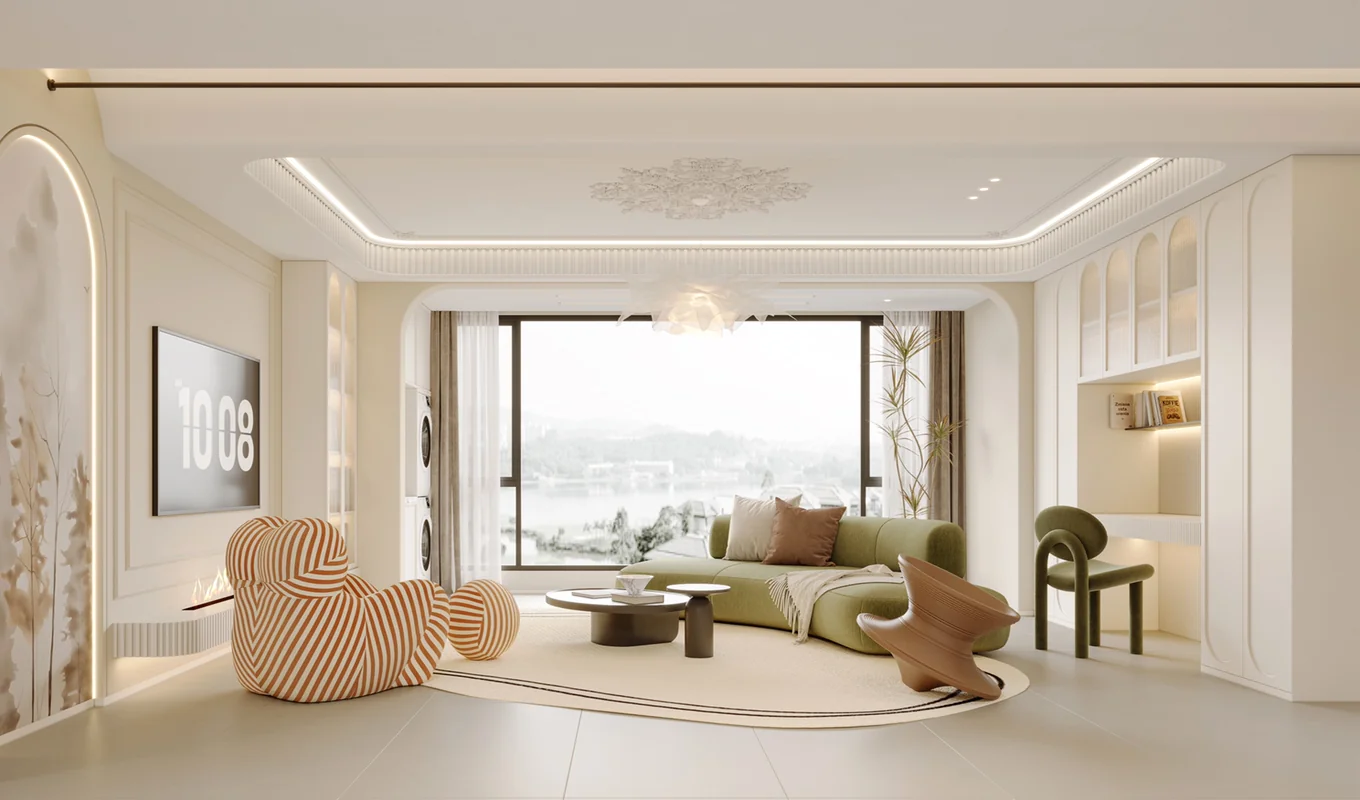
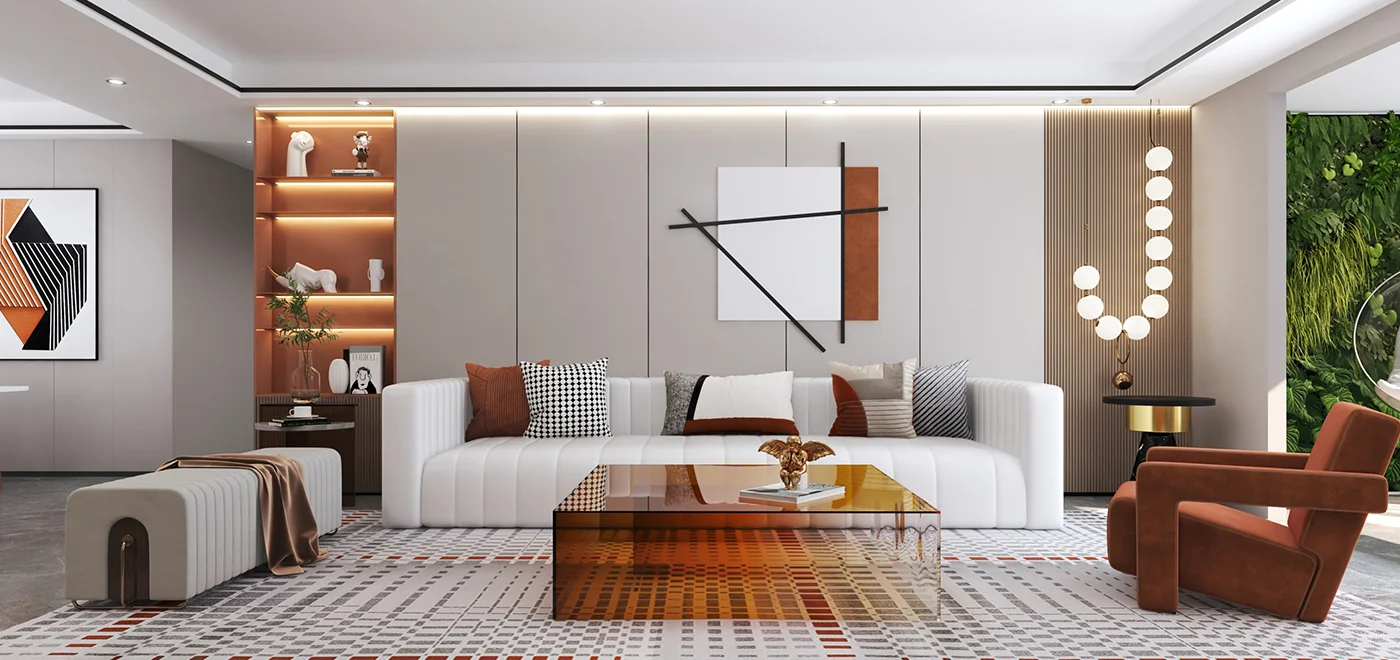
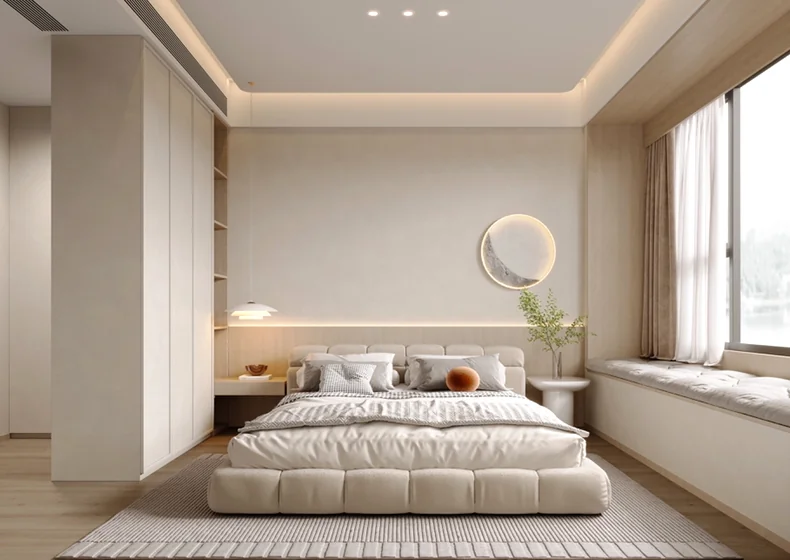
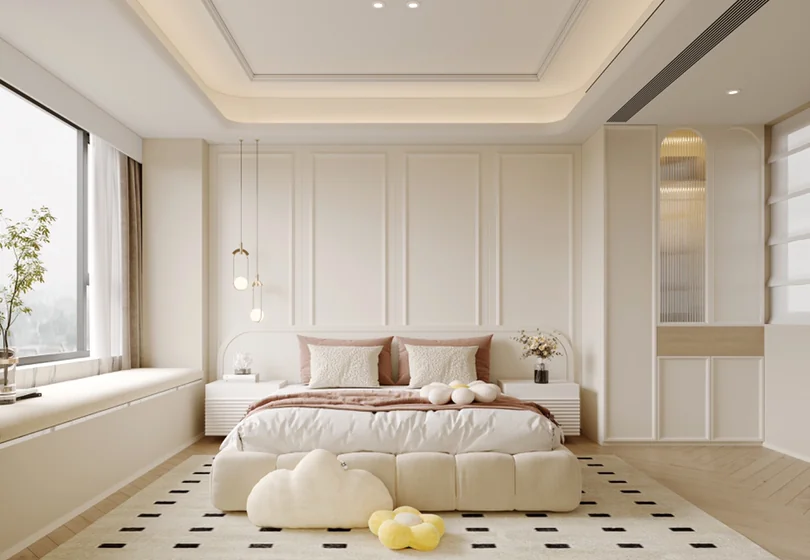
Interior space with decorative wall panels

Interior inspiration 01

Interior space with decorative wall panels

Interior inspiration 02

Interior space with decorative wall panels

Interior inspiration 03

Interior space with decorative wall panels

Interior inspiration 04

Interior space with decorative wall panels

Interior inspiration 05

Interior space with decorative wall panels

Interior inspiration 06

Interior space with decorative wall panels

Interior inspiration 07

Interior space with decorative wall panels

Interior inspiration 08

Interior space with decorative wall panels

Interior inspiration 09

Interior space with decorative wall panels

Interior inspiration 10

Interior space with decorative wall panels

Interior inspiration 11

Interior space with decorative wall panels

Interior inspiration 12

Interior space with decorative wall panels

Interior inspiration 13

Interior space with decorative wall panels

Interior inspiration 14

Interior space with decorative wall panels

Interior inspiration 15

Interior space with decorative wall panels

Interior inspiration 16

Interior space with decorative wall panels

Interior inspiration 17

Interior space with decorative wall panels

Interior inspiration 18

Interior space with decorative wall panels

Interior inspiration 19

Interior space with decorative wall panels

Interior inspiration 20

Interior space with decorative wall panels

Interior inspiration 21

Interior space with decorative wall panels

Interior inspiration 22

Interior space with decorative wall panels

Interior inspiration 23

Interior space with decorative wall panels

Interior inspiration 24

Interior space with decorative wall panels

Interior inspiration 25